
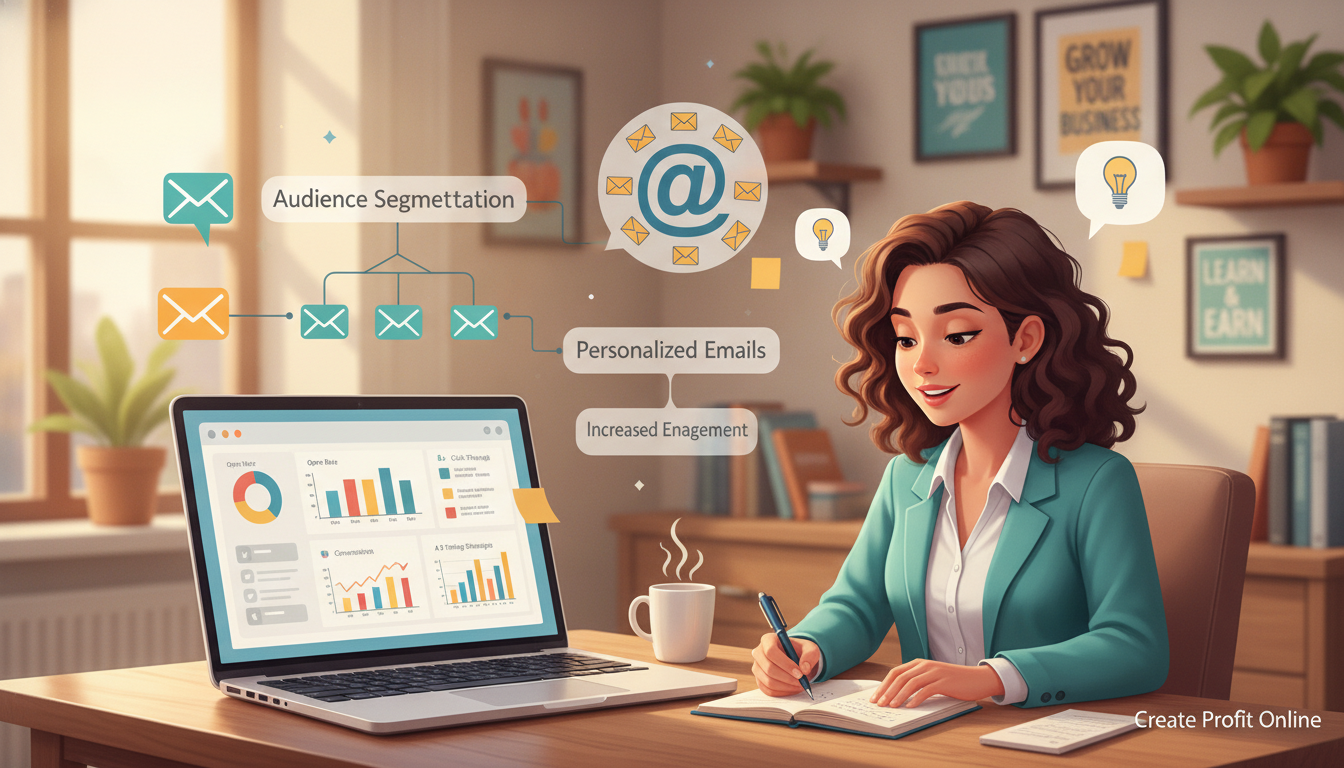
Did you know that for every $1 spent on email, businesses can expect an average return of $36? This astonishing statistic highlights the power of effective communication with your audience. In today’s digital landscape, reaching your customers directly is more important than ever.
I designed this ultimate guide to help you master an effective approach that drives consistent growth for your business. You will learn how to move beyond basic tactics to build a professional framework that scales with your unique needs.
My goal is to show you how to leverage your communication efforts to turn your inbox into a predictable and profitable revenue engine. By following these steps, you can ensure your efforts are built on data rather than guesswork.
Whether you are just starting or looking to refine your approach, this guide provides the foundation for long-term success. You will discover how to prioritize your time and resources to achieve the best possible results in your journey.
Key Takeaways
- Understand the potential return on investment from effective communication.
- Learn to create a tailored approach that fits your business needs.
- Transform your inbox into a reliable revenue source.
- Base your efforts on data for better decision-making.
- Build a strong foundation for ongoing success.
Introduction to Email Marketing for Beginners
Effective communication is key to building strong relationships with your customers. Sara Du, CEO of Alloy, emphasizes that successful email marketing is not just about sending messages at random times. Instead, it requires thoughtful and intentional messaging that resonates with your audience.
Creating content that delivers value is essential. You must focus on reaching your target audience when it matters most. This approach is crucial for encouraging engagement and ultimately driving purchases.
Understanding your customers is the first step in crafting a successful program. By analyzing their lifestyle and behavioral data, you can tailor your content to fit their needs. This understanding helps your messages carry over to other marketing channels effectively.
When you apply these core principles, you’ll notice a significant difference between good and great email marketing. My goal is to help you avoid the common pitfalls of random messaging and instead define clear objectives for each email. This way, every communication serves a specific purpose for your brand.
Why Email Marketing Remains a High-ROI Channel
Investing in direct communication yields impressive returns, making it a vital component of any business plan. For every $1 allocated to targeted outreach, brands can expect an average return of $36. This statistic showcases the potential of effective email communication.
Additionally, marketers who segment their lists see 760% higher revenue compared to those who do not. This proves that a targeted approach is essential for driving significant sales.
Here are some key insights to consider:
- Personalized campaigns can drive 6x more transactions, emphasizing the importance of relevance in your outreach.
- Email is a predictable growth tool, allowing you to own your audience without algorithm interference.
- Top-performing marketers treat email as a high-ROI revenue driver, not just a simple communication channel.
- When you view your email program as a finely tuned system, you will see better results in building relationships.
- Focusing on these metrics helps prove the value of your efforts to your team and stakeholders.
Ultimately, email is not just another channel; it is a consistent path to long-term growth for your brand.
Developing an Effective email marketing strategy
Creating a successful email marketing approach requires a well-thought-out plan. This plan should aim to meet specific business goals through consistent communication with your audience. It’s essential to move beyond just sending messages randomly.
Start by identifying your target audience. Segmenting your list allows for personalized messaging that resonates with your readers. A truly effective email marketing strategy sets clear, measurable goals. These can include boosting brand awareness, driving sales, or enhancing customer loyalty.
I recommend mapping out the entire customer journey. From the first contact to conversion and retention, this helps tailor your campaigns effectively. Additionally, your strategy should include continuous testing and analysis to refine your approach.
Thinking bigger about your audience, messaging, and technology is crucial. My guide will help you avoid burnout and bottlenecks. It provides a clear roadmap for your email marketing execution, allowing you to prioritize projects without constant interruptions.
| Key Components | Description | Benefits |
|---|---|---|
| Audience Segmentation | Dividing your audience into smaller groups | Increases relevance and engagement |
| Goal Setting | Defining clear objectives for campaigns | Improves focus and accountability |
| Continuous Testing | Regularly assessing and optimizing campaigns | Maximizes effectiveness and ROI |
Conducting Audience and Content Audits
To truly connect with your audience, you must first understand them. Conducting thorough audits of your audience and content can reveal invaluable insights. This process involves examining their lifestyles, challenges, and pain points. By doing so, you can create smart, persuasive content that resonates with your readers.
Engaging in customer interviews and market research is crucial. These elements are foundational to a sound audit. Conversations with your product development team can also provide clarity on your audience’s needs. Once you gather enough quantitative and qualitative data, compare it with the content you’ve produced.
Ask yourself how your content serves your audience. Are there gaps that need addressing? Identifying these gaps allows you to create an effective email marketing approach tailored to your subscribers’ specific needs. I recommend using tools like email marketing benchmarks to assess your performance against industry peers.
Additionally, explore email template libraries to spark ideas for your campaigns. By crafting clear brand narratives for each stage of your funnel, you can give purpose to every message you send. This approach not only enhances engagement but also strengthens your overall marketing efforts.
Setting Clear Email Marketing Goals
Establishing specific goals for your outreach is crucial. These objectives will vary based on your business model, audience, and seasonal trends. For instance, you might aim for list growth, higher engagement, or increased revenue.
Here are some common goals to consider:
- Email list growth: Expanding your subscriber base is vital for long-term success.
- Increasing engagement: Aim to boost interaction rates with your content.
- Driving revenue: Focus on converting subscribers into paying customers.
- Reducing cart abandonments: Implement strategies to encourage completion of purchases.
- Improving customer lifetime value: Enhance the overall value of each customer over time.
It’s essential to have enough data to assess whether your goals are effective. Your approach should balance following a plan while being flexible enough to adapt when necessary. I recommend defining your goals based on what you want to help your audience achieve within a specific timeframe.
Utilizing metrics like click-through rates can measure engagement, while tracking ROI can showcase the impact of your messages. If you’re addressing deliverability issues, focus on stabilizing your infrastructure before setting revenue goals. Prioritize your metrics based on the growth levers you want to pull for optimal results.
| Goal Type | Description | Importance |
|---|---|---|
| Email List Growth | Increasing the number of subscribers | Foundation for future engagement |
| Engagement Rates | Measuring interactions with content | Indicates audience interest |
| Revenue Generation | Converting subscribers into customers | Direct impact on profitability |
Crafting Engaging and Value-Packed Email Content
Creating an engaging email is both an art and a science. It requires attention to detail in design, fonts, and colors. This meticulous approach can set your emails apart in crowded inboxes.
Interestingly, only 21% of B2B marketers utilize personalization in their outreach. This statistic reveals a significant opportunity for you to gain a competitive edge. By tailoring your content, you can resonate more deeply with your audience.
To enhance readability, keep your copy tight and scannable. Use short paragraphs, bullet points, and bolded value propositions to guide your readers. I recommend leading with value, urgency, or curiosity to ensure your content strikes a chord.
Your email design is crucial for standing out. Invest time in best practices to create visually appealing emails. Additionally, encourage subscribers to opt in by offering incentives like coupon codes or exclusive content.
Ultimately, if your emails do not deliver value, you will struggle to meet your goals. Connect with your audience through smart content that helps them achieve their objectives more efficiently.
Personalization and Segmentation for Maximum Engagement
Understanding your audience is the cornerstone of effective communication. If you are selling to everyone, you are selling to no one. This is why precise audience segmentation is absolutely critical today. You should define your target audience using demographic, geographic, psychographic, and behavioral segmentation to get the best results from your efforts.
Carson McComas, CEO of FuelMade, suggests that you think about what kind of information you need to personalize your emails effectively. You can collect data through quizzes or pop-ups with checkboxes to create emails with tailored content based on unique customer needs. Personalization is the most effective way to get better results, yet many people still rely on basic merge tags for names.
By segmenting your list, you can unlock the power of personalized content, making it the most effective type of marketing. I believe that knowing your audience is timeless advice because it allows you to deliver the right information at the right time.
Mobile Optimization: Reaching Subscribers on Every Device
In today’s mobile-first world, reaching your audience effectively means optimizing your content for all devices. Nearly half of all marketing emails are opened on mobile devices, yet many are still designed like it is 2012. This gap can significantly impact your engagement rates.
Mobile-optimized emails generate 4x more revenue per click than those built primarily for desktop. Therefore, prioritizing responsive design is crucial. Here are some key considerations:
- Keep your copy tight and scannable. Use short paragraphs and bullet points to guide the reader’s eye on screens.
- Design your call-to-action buttons for thumbs rather than clicks. Ensure they are large and tappable for every mobile user.
- Prioritize load speed. Image-heavy layouts often lead to bounces and poor performance on slower mobile data connections.
- Test how your emails display across popular mobile devices to ensure consistency and speed for your subscribers.
- If your message does not render well or load fast, it will not perform, regardless of how good your content is.
- Bake mobile-friendly templates into your workflows to ensure that every campaign you send is optimized for every device.
Automation and Trigger-Based Email Campaigns
Harnessing the power of automation can elevate your outreach efforts significantly. Trigger-based emails are a game changer in the world of communication. They ensure that your messages reach the right audience at the right time, enhancing engagement.
These automated campaigns offer several benefits. For instance, they generate 5x higher open rates and 15x more clicks than standard newsletters. Welcome flows also stand out, boasting an average placed order rate of 1.97% when executed properly.
Additionally, abandoned cart flows yield the highest average revenue per recipient. They drive conversions by reminding customers of their interest. Moreover, automated post-purchase messages can generate up to 30x more revenue per recipient than one-off campaigns.
Here’s a quick look at the advantages of automation:
- Triggered emails perform 86% better than standard campaigns.
- Automated flows can account for 20-30% of your total email revenue.
- Utilizing CRM data helps in sending perfectly timed emails.
- Think of automation as a ladder, where each email nudges subscribers forward.

| Automation Type | Open Rate | Click Rate |
|---|---|---|
| Triggered Emails | 5x Higher | 15x More |
| Welcome Flows | 1.97% Placed Order Rate | N/A |
| Abandoned Cart Flows | Highest Revenue | N/A |
A/B Testing and Performance Insights
A/B testing is an essential tool for optimizing how we connect with our audience. This method allows you to see how different segments respond to your content. By testing various elements, you can significantly enhance your outreach.
The golden rule of A/B testing is to test only one element at a time. This approach prevents skewing your final results and ensures accuracy. For example, Shop Home Med increased revenue by 306% and achieved a 24% uptick in average order value through strategic A/B testing.
Here are some key points to consider:
- Customize your A/B test parameters by audience percentage and time to ensure you send the best version.
- Run structured tests inside your CRM and track results over time by list or segment.
- What works for one persona may flop for another, so testing is crucial for unlocking gains.
- Focus on subject lines, sender names, call-to-action buttons, and content length to find what resonates.
- If you are not testing, you are not learning; experimentation is a core pillar of your marketing efforts.
| Test Element | Impact | Example |
|---|---|---|
| Subject Lines | Higher open rates | Testing urgency vs. curiosity |
| Call-to-Action | Increased clicks | Button color and text |
| Content Length | Improved engagement | Short vs. long formats |
Best Practices for Writing Compelling Subject Lines
A compelling subject line can determine whether your email gets opened or ignored. You have milliseconds to earn a click, making this element crucial for your success.
Nearly half of all email opens are based solely on the subject line. Therefore, leading with value, urgency, or curiosity is essential. In fact, 69% of subscribers report spam just from reading the subject line.
Here are some best practices to consider:
- Keep your subject lines under 40 characters for better mobile visibility.
- Ensure your subject line matches the content inside the email to maintain trust.
- Test formats like “Quick win: [Result] in 10 minutes” to boost open rates.
- Utilize CRM insights to personalize subject lines beyond just the first name.
- Your subject line is your first impression, so make it relevant and engaging.
| Best Practice | Description | Impact |
|---|---|---|
| Value Proposition | Lead with a clear benefit | Increases open rates |
| Urgency | Create a sense of immediacy | Encourages quick action |
| Personalization | Use subscriber data effectively | Enhances engagement |
Tools and Technologies for Email Campaign Excellence
Choosing the right tools can significantly enhance your outreach efforts. A well-integrated platform will manage the entire customer lifecycle seamlessly. This is essential for effective communication and maximizing your return on investment.
With Apple’s iOS 15 privacy features, users can block tracking, impacting a significant portion of the market. This change highlights the importance of understanding your data and how it affects your outreach.
Here are some key points to consider when selecting your tech stack:
- Track key metrics like click rates, conversion rates, and deliverability rates to refine your overall approach.
- Utilize CRM automation to trigger messages based on customer actions, enhancing personalization without manual effort.
- Your tools should unify fragmented data and transform it into actionable insights for your team.
- Consider using platforms like Litmus to support your email strategy at every production stage.
- Identifying which emails are opened by Apple iOS users can help separate them from other data.
- By leveraging analytics, you can discover what works and what doesn’t, allowing for continuous improvement.
| Tool Type | Functionality | Benefits |
|---|---|---|
| ESP | Email Service Provider | Manages campaigns and lists |
| CRM | Customer Relationship Management | Automates and personalizes outreach |
| Analytics Tools | Data tracking and reporting | Improves strategy based on insights |
Future Trends and AI-Powered Innovations in Email Marketing
The future of outreach is evolving rapidly, with technology paving the way for innovative solutions. By the end of 2026, a remarkable 70% of marketers anticipate that half of their operations will be driven by AI.
Think of AI as an extension of the automation you already rely on. It can enhance your campaigns significantly. I recommend leveraging AI to act as an expert, suggesting campaign ideas based on data insights.
Everyone has access to these tools, so your competitive edge will depend on how you implement them in your approach. Ensure that your AI-driven emails maintain a compelling design that aligns with your brand experience.
It’s essential to remember that AI should augment human creativity, not replace the core of your outreach efforts. Use it to overcome creative blocks, whether you need ideas for drip campaigns or special offers to promote products.
The future of email communication is about using technology to enhance productivity while keeping a deep understanding of your audience at the forefront. As the landscape changes, staying adaptable will be key to your success.
Cross-Functional Collaboration for Email Success
Building a successful email program means bringing together insights from various team members. To ensure your outreach is effective, collaboration is essential. This includes working closely with marketing, sales, and product teams.
Aligning Marketing, Sales, and Product Teams
Effective email outreach cannot happen in isolation. You should collaborate with your product team to understand how new features enhance customer experiences. This knowledge is crucial for crafting messages that resonate.
Sales teams often operate independently, which can lead to conflicting strategies. Therefore, it’s important to work with leadership to ensure alignment. This way, everyone is on the same page regarding outreach efforts.
Creating a Unified Email Strategy
Engaging with your support team can also yield valuable content ideas. They can provide insights into customer pain points and questions, helping you refine your email sequences.
It’s okay to challenge product leaders who push for frequent messaging that may not perform well. Teaching sales reps to share information gradually can reduce the risk of overwhelming customers with too many emails.
Documenting everything in writing ensures clarity in collaboration. A unified approach helps prioritize tasks and aligns all teams toward common business goals.
Conclusion
A well-crafted approach to outreach can yield remarkable results for your business. A strong email marketing plan goes beyond sending one-off messages. It focuses on defined goals and collaboration across your teams.
Measuring success means aligning your KPIs with strategic priorities. Adjust your campaigns based on performance insights you gather over time. Emerging trends like AI-powered automation can enhance your productivity. However, they work best when paired with a deep understanding of your audience.
You have the power to turn your inbox into a revenue engine by applying the principles of segmentation, personalization, and timing. I encourage you to start small, test often, and always prioritize the value you provide to your subscribers.
By following this guide, you are well on your way to building a sustainable and highly profitable email program today. Remember, email is your most consistent and cost-effective path to growth when you treat it with the strategy it deserves.
FAQ
What is the best way to grow my email list?
To effectively grow your list, I recommend offering valuable incentives like exclusive content or discounts. Engaging sign-up forms on your website and social media can also attract more subscribers.
How often should I send emails to my subscribers?
It’s essential to find a balance. I suggest sending emails at least once a month to keep your audience engaged, but avoid overwhelming them. Consistency is key!
What are some effective subject lines to increase open rates?
Catchy subject lines are crucial! I often use questions, personalization, or urgency to grab attention. Testing different styles can help identify what resonates best with my audience.
How can I measure the success of my email campaigns?
Tracking metrics like open rates, click-through rates, and conversions is vital. I regularly analyze these insights to refine my approach and improve future campaigns.
What types of content should I include in my emails?
I focus on providing valuable content that addresses my audience’s needs. This can include tips, product updates, and exclusive offers. Engaging visuals and clear calls to action are also important!
How can I ensure my emails are mobile-friendly?
To optimize for mobile, I design emails with responsive layouts and concise content. Testing on various devices helps me ensure a seamless experience for all subscribers.
What role does automation play in email campaigns?
Automation allows me to send timely, relevant messages based on subscriber behavior. Setting up trigger-based emails can enhance engagement and save time in the long run.
How do I segment my audience effectively?
I segment my audience based on demographics, interests, and past interactions. This targeted approach allows me to tailor content and increase engagement rates.
What tools can I use for managing my email campaigns?
There are many great tools available! I often use email service providers (ESPs) like Mailchimp or Constant Contact, along with CRM systems to streamline my efforts and track performance.
What are some common mistakes to avoid in email marketing?
I’ve learned to avoid overloading subscribers with too many emails or irrelevant content. Not personalizing messages and neglecting to analyze results can also hinder success.