

Did you know that digital product sales are projected to soar to an astonishing $416 billion by 2030? This staggering figure highlights the growing demand for innovative offerings in the online marketplace. As an aspiring entrepreneur, this is your chance to tap into a lucrative market.
In my research, I have identified a range of valuable items that can help you maximize your online revenue streams. These offerings are not just trends; they represent a shift in how consumers engage with content and services. Starting a business in this space allows you to leverage your unique skills and create high-value assets.
Whether you are a seasoned entrepreneur or just starting out, these opportunities can provide a proven way to generate consistent income. I will guide you through every step of the process, from selecting your niche to scaling your operations using effective modern tools.
Get ready to learn how to package your knowledge into professional offerings that truly solve problems for people seeking expert guidance and resources.
Key Takeaways
- Digital product sales are expected to reach $416 billion by 2030.
- Identifying valuable offerings can help maximize online revenue.
- Starting a business allows you to leverage your unique skills.
- Guidance is available for selecting niches and scaling operations.
- Professional offerings can address real problems for customers.
Introduction: The Landscape of Digital Products in 2026
In 2026, consumer spending on digital goods has reached a notable 2.7%, according to Deloitte. This change reflects a significant shift in how people prioritize their purchases. More individuals are opting for intangible assets that offer immediate value, education, or entertainment.
The market is teeming with opportunities for creators who know how to effectively package their expertise. This is a chance for you to tap into high-demand categories that promise long-term growth. Understanding this landscape is crucial for anyone looking to build a sustainable business.
As technology and consumer behavior continue to evolve, it’s essential to stay ahead. I aim to guide you in navigating this dynamic environment, helping you identify the most efficient ways to thrive.
What Are Digital Products?
The rise of online sales has transformed how we view assets, especially in the realm of intangible offerings. Digital products are defined as non-physical goods delivered electronically. They are often accessed through direct download links or automated email sequences.
Unlike physical products, these items eliminate the need for warehousing, shipping, and complex supply chain management. This greatly reduces overhead costs and logistical headaches. The core features of these assets include their intangible nature, infinite replicability, and potential for high-profit margins after the initial design phase.
By focusing on digital assets, you can reach a global audience without worrying about shipping constraints. This allows for scalable sales without increasing production time, making it an attractive option for many entrepreneurs.
| Feature | Digital Products | Physical Products |
|---|---|---|
| Delivery Method | Electronic (Download/Email) | Physical (Shipping) |
| Storage | No Inventory Needed | Requires Warehousing |
| Production Cost | Low After Design | Varies by Item |
| Global Reach | Unlimited | Shipping Restrictions |
Understanding the Market Demand for Digital Products
Sales of electronic goods are skyrocketing, highlighting a major trend in market preferences. The demand for these offerings is surging, as evidenced by Whop creators successfully selling over $2 billion worth of assets. This remarkable figure underscores the growing interest in virtual goods.
Moreover, many creators achieve profit margins between 90% and 95% on their digital offerings. This indicates a lucrative opportunity for those willing to invest time and effort into creating valuable content.
Emerging trends show that consumers are increasingly willing to pay for specialized knowledge. This presents a massive growth potential for experts in any niche. By creating high-quality assets once, you can generate significant passive income by selling them repeatedly to a growing audience.
Data insights indicate that the shift toward digital consumption is not just a fleeting trend. It represents a permanent change in how people access information and tools, paving the way for innovative business models.
How to Identify the Best Digital Products to Sell in 2026
Identifying valuable offerings in the online marketplace requires a keen understanding of customer needs. I suggest starting with thorough research to uncover the specific pain points your target audience faces. By doing so, you can tailor your offerings to provide real solutions.
Next, look for market gaps. These are areas where existing solutions are either too costly, overly complicated, or simply not available to the average consumer. This insight can help you create products that fill those voids.
My approach often involves brainstorming ideas based on common questions I receive. These inquiries frequently highlight the most valuable topics for new offerings. Additionally, analyzing your competitors can reveal opportunities for you to develop a more user-friendly or comprehensive version of their products.
Ultimately, successful offerings are those that address specific problems. They save customers time or help them achieve desired outcomes with minimal effort.
“The key to successful products is understanding what the customer truly needs.”
Innovative Methods to Sell the best digital products to sell
As the market for online assets expands, finding effective ways to reach customers is essential. I utilize innovative strategies that incorporate the latest tools and platforms to enhance my sales efforts.
One of my key tactics involves integrating AI tools that automate content creation and delivery. This not only saves time but also ensures that my offerings remain consistent and high-quality.
Additionally, leveraging social media platforms like Instagram and TikTok allows me to engage with a broader audience. These channels help drive traffic directly to my sales pages, creating a seamless path for potential buyers.
My unique marketing approach focuses on delivering high-value free content. This builds trust with my audience before I ask them to make a purchase. I believe that establishing a relationship is crucial for successful sales.
Furthermore, using AI-powered software streamlines my workflow. It enables me to produce professional-grade assets much faster than traditional methods. Consistent engagement on social media has proven to be the most effective way to convert casual followers into loyal customers.
| Method | Description | Benefits |
|---|---|---|
| AI Tools | Automate content creation and delivery | Saves time, ensures quality |
| Social Media | Engage with audiences on platforms | Increases traffic to sales pages |
| Free Content | Build trust before sales | Encourages customer loyalty |
| AI Software | Streamline workflow | Faster production of assets |
Selecting a Niche and Leveraging Your Skills
Choosing the right niche is crucial for anyone looking to establish a successful online venture. I always advise people to focus on areas where they have deep knowledge. This not only helps in creating authentic content but also ensures that you are passionate about what you offer.
Diego Monroy from Whop emphasizes that the most effective product you can provide is a coaching or membership offer based on your personal interests. By leveraging your unique skills, you can create content that truly stands out in a crowded market.
When you align your business with your natural strengths, you are much more likely to stay motivated. This motivation translates into high-quality work that resonates with your audience. It’s also essential to choose a niche where there is a clear demand for the information or tools you plan to provide.
Platforms and Tools for Selling Digital Products
Finding the right platforms and tools is essential for managing your online sales effectively. I utilize platforms like Whop and MailerLite to streamline my sales process. These platforms provide all the necessary tools to handle payments and deliver files seamlessly.
Using a dedicated platform allows me to focus on creating valuable content while the software manages the technical aspects of my digital storefront and email marketing. This efficiency is vital for any online entrepreneur.
There are many other essential tools available. For instance, Canva is perfect for design, while Notion helps with organization. Both can assist in building a professional-looking website.
I recommend testing various platforms to find the one that best fits your specific type of offering and long-term business goals. A reliable platform is crucial for maintaining a positive customer experience, ensuring that buyers receive their purchases immediately after payment.
| Platform/Tool | Purpose | Benefits |
|---|---|---|
| Whop | Sales management | Handles payments and file delivery |
| MailerLite | Email marketing | Automates email campaigns |
| Canva | Design | Creates professional graphics easily |
| Notion | Organization | Helps manage projects and ideas |
Building a Profitable Digital Product Business Model
Creating a sustainable income stream is vital for any entrepreneur looking to thrive in today’s competitive market. A successful business model should focus on generating recurring income rather than relying solely on one-time sales.
The NoCodeFounders community exemplifies this approach. They offer courses that help non-technical founders effectively grow their business ideas. This model showcases how education can be a powerful tool for generating ongoing revenue.
I also prioritize creating bundles that enhance the average order value. This strategy allows me to earn more money from each customer who visits my site. A sustainable model often combines low-cost entry products with high-ticket coaching or membership programs that deliver deeper value.
Lastly, it’s crucial to analyze your revenue streams continuously. This ensures that your business remains profitable and scalable as you grow your audience.
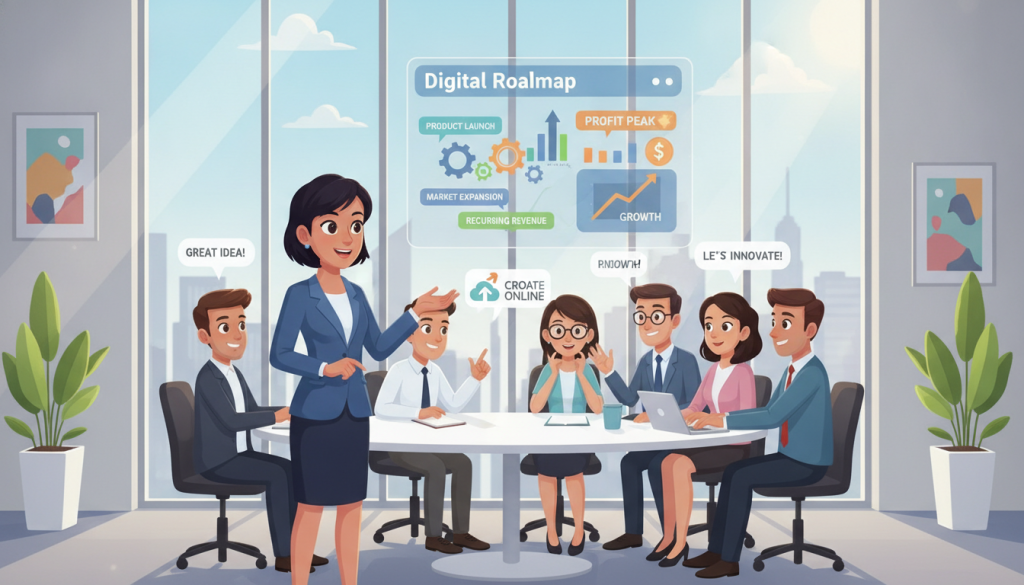
How to Price and Package Digital Products Effectively
Setting the right price for your offerings can make a significant difference in your success. I have discovered that higher pricing often leads customers to view your products as more valuable and of better quality. This perception can greatly influence their purchasing decisions.
For example, Stan Browney, an online coach, has found success by offering customized meal plans. His personalized approach allows him to command premium pricing, showcasing how tailored services can attract buyers willing to invest more.
Another effective strategy is bundling related items. This technique increases total sales by providing a complete solution that justifies a higher price point. When you group complementary products, it enhances the perceived value for customers.
While it’s important to consider your customers’ budget when setting prices, don’t hesitate to charge what your expertise is truly worth. Offering different tiers, such as a basic version and a premium bundle, can capture a wider range of buyers with varying needs.
Creating High-Quality Content for Digital Offerings
High-quality content is crucial for building a strong reputation in the online marketplace. I always use professional design tools to ensure my work looks polished and credible. This attention to detail can set you apart from competitors.
For example, Erin Ford sells sewing patterns that people can use to create their own 2-piece skirt and top tube set. This showcases the power of clear instructions and well-structured content.
My design tips include:
- Consistent branding: Use a cohesive color palette and style across all your materials.
- Readable typography: Choose fonts that are easy to read, ensuring clarity in your content.
- High-resolution images: Invest in quality visuals to enhance the appeal of your offerings.
You do not need advanced technical skills to create great content. Many modern tools allow you to build professional assets with simple drag-and-drop interfaces. I believe that the effort you put into the design of your product directly correlates with how much people are willing to pay for it.
Leveraging Email Marketing and Website Strategies
Harnessing the power of email marketing can significantly boost your online sales. I use this strategy to nurture my subscribers effectively. For instance, Neoseed.io is a perfect example of utilizing a free newsletter to drive sales for a paid one.
Building an email list is the most effective way to own your audience. This ensures that I can reach my customers without relying on social media algorithms.
My website strategy involves optimizing every page for SEO. This optimization helps potential buyers find my offerings through organic search results on Google.
I also implement conversion techniques like clear calls to action and limited-time offers. These tactics encourage visitors to complete their purchase on my website.
Regularly sending valuable content to my email list keeps my brand top-of-mind. This practice significantly increases the likelihood of repeat sales over time.
Integrating Memberships and Subscriptions for Recurring Income
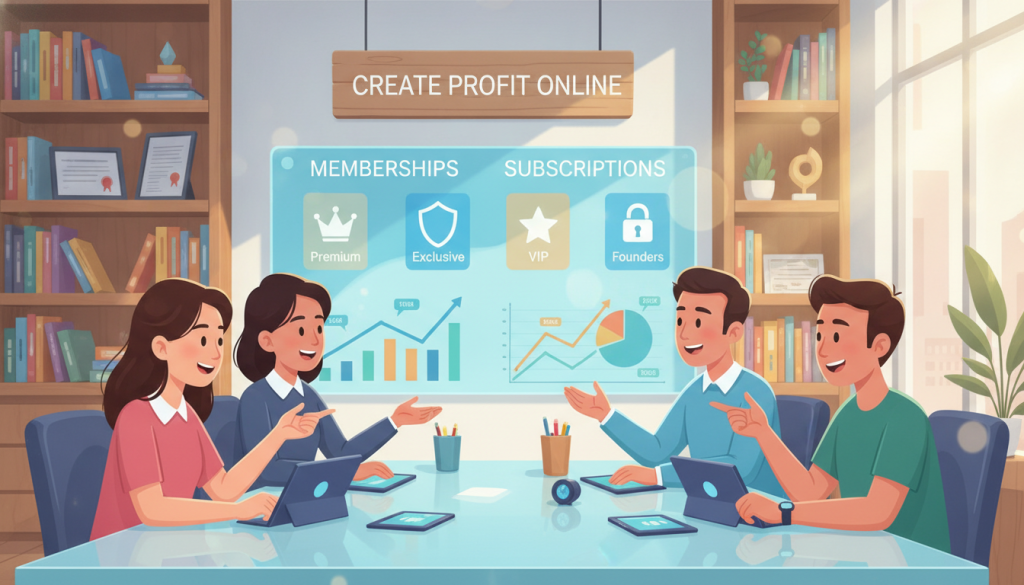
Building a community around your offerings can create a steady income stream for your business. Integrating memberships into your model is a proven way to generate recurring income that provides stability for your long-term growth.
Robbie Kellman Baxter, author of The Membership Economy, notes that businesses focused on relationships over products are winning in today’s economy. I have found that people are increasingly looking for communities where they can connect with others who share their specific interests and goals.
A subscription model allows you to serve your market more deeply by providing ongoing updates, exclusive content, and direct access to your expertise. By focusing on the needs of your members, you can build a loyal community that supports your business for years to come.
“Businesses focused on relationships over products are winning in today’s economy.”
Tips from Successful Digital Entrepreneurs
Success in the digital marketplace often hinges on understanding your audience’s specific needs. I have learned from many successful entrepreneurs that the best way to make money is to solve a specific problem for a defined group of people. This insight is vital for anyone looking to create a thriving business.
Real-life success stories often highlight the importance of persistence and the willingness to adapt your business based on feedback from your customers. One of the most important lessons I have learned is that you should never stop developing your skills, as the digital landscape changes very quickly.
Best practices include testing your ideas with a small group of people before you invest significant time and money into a full-scale launch. Successful entrepreneurs often share that their biggest breakthroughs came when they stopped trying to do everything and focused on one core product.
Addressing Challenges: Scaling, Engagement, and Customer Retention
Navigating the challenges of scaling a business can be daunting, especially in a crowded market. As I work to grow my offerings, I’ve discovered that automating the delivery process is vital. This approach allows me to efficiently manage an increasing number of customers without sacrificing quality.
Overcoming market saturation requires creativity. I focus on differentiating my offerings by adding unique value that competitors may overlook. This strategy not only attracts attention but also resonates with people seeking something special.
Managing customer expectations is another critical aspect of running a successful business. I always provide clear descriptions of what my offerings include. This transparency helps build trust and ensures that customers know exactly what they are getting.
Engagement is key to retention. I make it a point to interact with my community regularly. This keeps them interested in my future offerings and fosters a sense of belonging.
Ultimately, I believe that by focusing on the quality of my relationships, I can retain my customers even in a highly competitive market.
| Challenge | Solution | Benefit |
|---|---|---|
| Scaling | Automate delivery processes | Efficient management of customers |
| Market Saturation | Differentiation through unique value | Attracts and retains attention |
| Customer Expectations | Clear product descriptions | Builds trust and satisfaction |
| Engagement | Regular community interaction | Enhances customer loyalty |
Future Trends and Opportunities in Digital Products
The travel and tourism sector, valued at nearly $9.9 trillion in 2023, presents a bright future for online offerings. As this industry continues to digitize, new opportunities arise for creators willing to innovate.
Emerging technologies like AI and virtual reality are paving the way for immersive experiences that people are eager to invest in. These advancements open doors for unique offerings that can captivate audiences.
Market shifts indicate a growing demand for specialized knowledge as the global economy becomes more interconnected. Staying ahead of these trends allows you to create solutions for new challenges, ultimately leading to increased revenue.
By adapting my business to these changes, I ensure that I remain relevant and valuable to my audience. Here are some key points to consider:
- The digitization of the travel industry is creating new markets.
- AI and virtual reality are enhancing user experiences.
- Specialized knowledge is in high demand.
- Innovative solutions can lead to substantial income.
- Continuous adaptation is crucial for long-term success.
Conclusion
The landscape of online sales is evolving, offering unprecedented opportunities for creators. I have provided a comprehensive guide on the best digital products to sell in 2026, helping you embark on your journey toward financial independence.
By choosing the right niche and leveraging effective tools, you can build a sustainable business that generates consistent passive income for years. Remember, the most successful creators focus on providing genuine value through high-quality and useful assets.
You now possess the knowledge and strategy to create, market, and share your own products with a global audience eager for solutions. I encourage you to take the first step today and start building the online business you have always dreamed of creating.
FAQ
What types of digital items can I create?
You can create a variety of offerings, such as eBooks, online courses, templates, stock photos, and software applications. The key is to leverage your skills and knowledge to meet the needs of your audience.
How do I determine the right price for my digital products?
Pricing should consider your target market, production costs, and perceived value. Research similar items in the marketplace to find a competitive price point that also reflects the quality of your work.
What platforms are best for selling my digital goods?
Platforms like Etsy, Gumroad, and Shopify are popular choices. Each offers unique features that can help you reach your audience effectively. Explore options like Whop and MailerLite for additional support.
How can I market my digital offerings?
Utilize social media channels, email marketing, and content marketing to promote your items. Engaging with your audience through valuable content can build trust and drive sales.
What are some common challenges when selling digital items?
Challenges may include market saturation, customer retention, and maintaining engagement. It’s essential to stay adaptable and continuously improve your offerings based on feedback.
How can I create high-quality content for my digital products?
Focus on clear design, engaging content, and user-friendly formats. Invest time in research and use tools that enhance your creativity and efficiency in production.
Is it beneficial to offer memberships or subscriptions?
Yes, integrating memberships or subscriptions can provide a steady income stream. This model encourages ongoing engagement and loyalty from your customers.
What are the best practices for building an email list?
Offer incentives like free resources or exclusive content to encourage sign-ups. Regularly communicate with your subscribers to keep them engaged and informed about your latest offerings.