How to Start an E-commerce Store in 2026

Did you know that the global e-commerce market reached a staggering $6.7 trillion in 2025? This figure highlights the immense potential for anyone looking to launch their own online business. With such a booming market, now is the perfect time to explore the exciting world of digital commerce.
I am here to help you navigate this journey. My comprehensive roadmap will guide you through every essential step, from selecting your niche to managing your first successful sale on your website. Building a successful brand requires a strategic approach, and I will share best practices to ensure your business thrives.
As we delve into this guide, you will learn how to effectively navigate the complexities of the modern digital landscape. With the right tools and insights, your store can stand out in a crowded market. Let’s embark on this adventure together!
Key Takeaways
- The global e-commerce market is rapidly growing, making it an ideal time to launch.
- A clear roadmap is essential for success in the digital business world.
- Choosing the right niche can significantly impact your store’s success.
- Strategic planning is key to building a thriving online brand.
- Understanding the digital landscape will help your store stand out.
Why 2026 is the Perfect Time for E-commerce
The landscape of online shopping is evolving rapidly, making 2026 a prime year for new ventures. Global e-commerce sales are projected to reach $8.09 trillion by 2028. This staggering growth highlights the immense potential for anyone looking to enter the market.
Recent studies reveal that 56 percent of internet users make online purchases weekly. This consistent demand means your business can thrive by meeting consumer needs. I believe this is the perfect time to capitalize on the shift toward digital shopping.
By offering unique services tailored to a tech-savvy audience, you can position your brand for success. As I always say, “Timing is everything in business.” Dedicating your efforts to building a strong brand now can lead to capturing a significant share of the expanding digital sales.
Understanding the E-commerce Landscape
In today’s digital age, grasping the intricacies of online commerce is essential for any new business venture. Understanding the ecommerce landscape involves recognizing key models that drive success.
For instance, B2C businesses sell directly to consumers, like an online clothing shop. On the other hand, B2B businesses cater to other companies, providing wholesale products or services that support their operations.
Online marketplaces, such as Amazon or Etsy, allow multiple sellers to showcase their products in one location. This offers a unique entry point for beginners looking to establish their presence.
I recommend researching these models to determine which structure aligns best with your intended products. Successful businesses often combine various sales channels to engage customers where they spend their time online.
| Business Model | Description | Examples |
|---|---|---|
| B2C | Sells directly to consumers | Online clothing stores |
| B2B | Sells to other businesses | Wholesalers |
| Marketplaces | Multiple sellers in one platform | Amazon, Etsy |
Laying the Foundation: Business Planning and Niche Selection
Identifying your target audience and niche is the first step toward creating a successful online business. This crucial phase ensures that your products resonate with those most likely to buy.
Take a cue from Jimmy Donaldson, known as MrBeast. He exemplifies how a solid business plan can support a thriving global empire. His success illustrates that behind every venture lies a well-thought-out strategy.
I recommend crafting a formal plan to clarify your mission statement and financial goals. This approach is beneficial when presenting your business to potential partners.
By selecting a specific niche, you can focus your marketing efforts on a smaller group. This strategy makes it easier to compete with larger businesses. Your plan should also detail how you will source your products and manage operations during the initial months of your launch.
Designing a Customer-Friendly Online Store
Creating a welcoming and efficient online environment is crucial for engaging customers effectively. A customer-friendly website is essential because 94% of customers say positive service experiences lead to more purchases on your store.
I prioritize mobile optimization because a significant portion of online shopping happens on phones. This requires a seamless experience for all users, regardless of their device.
Your website design should be intuitive, ensuring that customers can easily navigate your store to find the products they want to buy. Accessibility features are vital, allowing every potential customer to interact with your store, no matter the device or browser they use.
By focusing on a frustration-free shopping experience, you build the trust necessary to turn first-time visitors into loyal, repeat customers.
Selecting the Right E-commerce Platform
Selecting the right platform can significantly influence your online business’s success. This choice impacts how you manage inventory and scale operations. It’s essential to compare various options available in the market.
Some platforms, like Shopify, offer all-inclusive tools, making them user-friendly for beginners. Others, such as WooCommerce, are open-source plugins for WordPress users, allowing for extensive customization if you have technical skills.
Your platform should support your growth. It must handle increased traffic and sales as your business expands. Always evaluate the total costs, including monthly subscriptions and potential developer fees, to ensure it fits your budget.
Remember, “The right tools can make all the difference in achieving your goals.” By choosing wisely, you set a solid foundation for your business’s future.
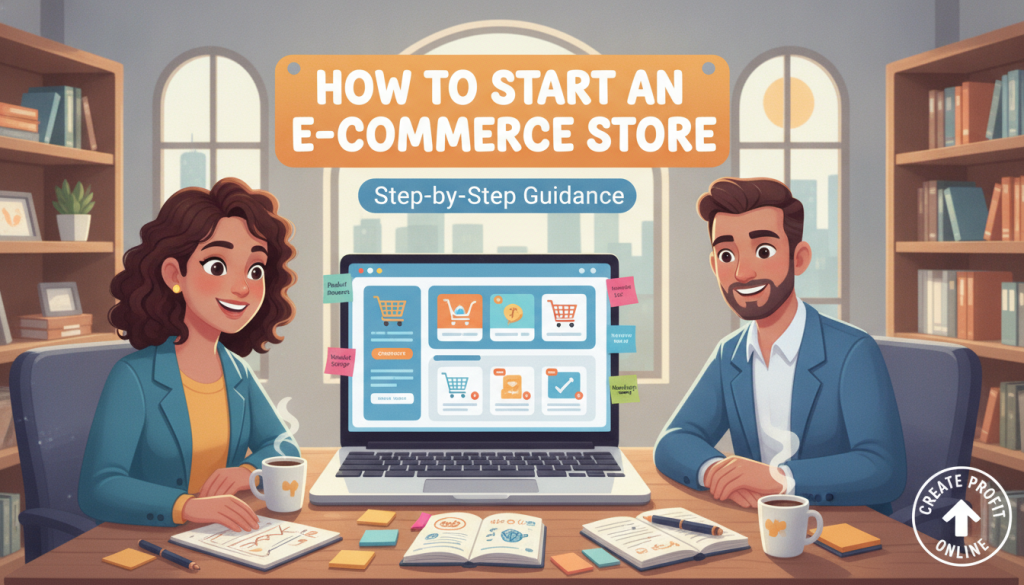
How to start an e-commerce store: Step-by-Step Guidance
Launching a successful online business requires careful planning and execution. The first step involves researching your niche to ensure there’s a market for your products. Once you’ve identified your target audience, it’s time to register your business legally.
After that, focus on building your website. I recommend finalizing your branding and confirming your supply chain logistics before adding products to your platform. This ensures a smooth launch and helps you avoid potential hiccups.
Once your website is live, driving traffic is crucial. Implement targeted marketing campaigns that reach your ideal customers. This approach will enhance visibility and boost sales.
Managing your online business demands ongoing attention. From updating product descriptions to monitoring daily sales and inventory levels, every detail matters. My step-by-step guidance will help you navigate legal and operational requirements, ensuring a solid foundation for your new venture.
“The secret to success is to be ready when your opportunity comes.” – Benjamin Disraeli
Managing Inventory, Shipping, and Fulfillment
Effectively managing inventory, shipping, and fulfillment is crucial for the success of your online business. This process ensures that your products are available when customers place orders, enhancing their overall experience.
One key aspect is effective inventory management. It prevents overselling and guarantees that your products are always in stock. When customers can find what they want, they are more likely to return.
Next, I recommend choosing a shipping strategy that balances cost and speed. Delivery times can significantly impact customer satisfaction. If you can deliver products quickly and affordably, your customers will appreciate it.
Consider dropshipping if you want to minimize upfront costs. This method allows you to sell products without holding physical inventory, making it easier to manage your business.
Additionally, transparent shipping policies help build trust. Customers appreciate knowing exactly when their products will arrive at their doorstep. Clear communication about shipping times can lead to repeat business.
Finally, proper fulfillment processes are the backbone of your business. Ensuring that every package is labeled and shipped accurately and on time will enhance your reputation and keep customers happy.
Creating High-Quality Product Listings
The visual appeal of your products can make or break a customer’s decision to buy. High-quality product listings are vital because customers cannot physically touch your items. They rely heavily on your photography and descriptions to make informed choices.
I admire how L’Oréal uses rich images and detailed descriptions to create an engaging product listing page. This approach not only informs but also converts potential buyers into loyal customers.
Your brand identity should shine through in your descriptions. Focus on explaining the benefits of your products rather than just listing their features. This connection helps customers understand why they need your items.
Professional photography is crucial. It helps customers visualize how your products fit into their lives, which directly increases conversion rates. By investing time in your product pages, you provide the information a customer needs to feel confident in their purchase decision.
Optimizing Your Store for SEO & Social Media
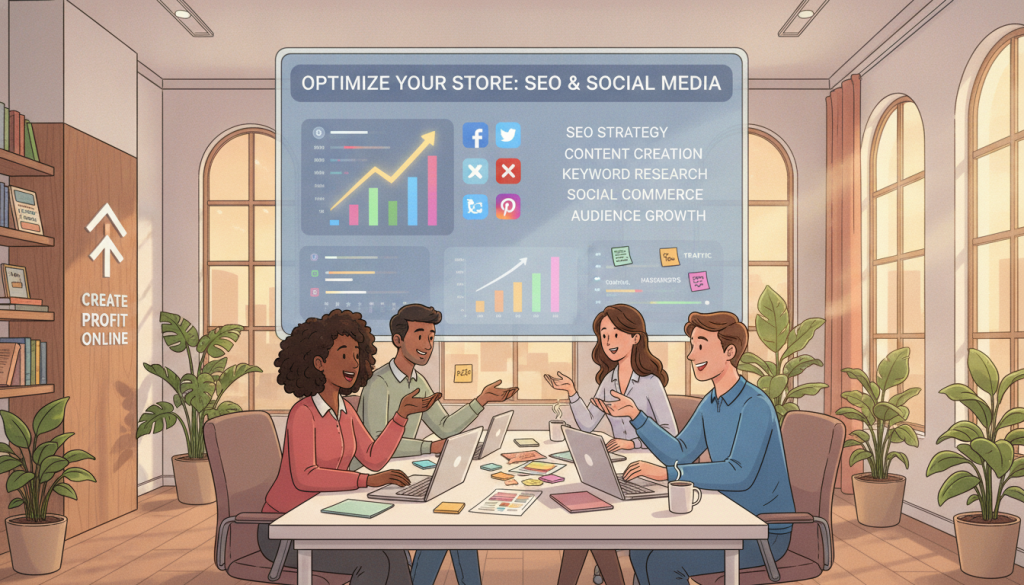
Effective optimization techniques can help your business gain traction in the competitive online landscape. Focusing on both SEO and social media strategies is essential for increasing visibility and driving traffic to your site.
SEO is the practice of making your site easier for search engines to discover, crawl, and understand. This process is vital for driving organic traffic to your platform. I recommend optimizing your site content to improve your rankings in search results, making it easier for new customers to find you.
Integrating social media into your marketing strategy allows you to reach your target audience where they already spend their time, such as on Instagram or TikTok. James Taylor, a UK-based SEO consultant, emphasizes that link building is essential for search engines to trust your site as an authority.
Your social media strategy should complement your SEO efforts. By creating a cohesive brand presence across all digital channels, you can engage customers more effectively and drive traffic to your store.
Developing a Comprehensive Marketing Strategy
Creating a solid marketing strategy is vital for boosting traffic and increasing sales. Even the best products need promotion to succeed in today’s competitive market. Without effective marketing, your efforts may go unnoticed.
One effective approach is utilizing email marketing. This method helps build relationships with customers through personalized sequences and reminders for abandoned carts. It’s a great way to keep your audience engaged and informed.
Additionally, content marketing is essential. It establishes your brand as an authority in your niche. By providing valuable information, you keep your audience engaged over time, which can lead to increased loyalty and sales.
Another powerful tactic is leveraging influencer partnerships. This allows you to tap into established communities, gaining credibility and reaching new customers. Collaborating with influencers can significantly enhance your brand’s visibility.
Finally, don’t hesitate to experiment with different marketing channels. Discover which ones yield the highest return on investment for your specific products. A flexible approach can help you adapt to changing market conditions.
Leveraging Data and Customer Feedback for Growth
Understanding your customers through analytics is essential for sustainable growth. By analyzing metrics and key performance indicators (KPIs), businesses can uncover valuable insights. For instance, Gymshark became a billion-dollar business by harnessing the power of data to drive their growth.
I believe that listening to customer feedback is the best way to improve your products and refine your overall business strategy. Data shows that 79% of established merchants use profits to self-fund their growth, allowing them to scale without external debt.
Tracking your sales performance regularly helps identify which products are performing well in the current market. By understanding your customers, you can make informed decisions that lead to long-term success and profitability for your business.
- Analyzing metrics and KPIs is crucial for growth.
- Listening to customer feedback enhances product quality.
- 79% of merchants self-fund their growth using profits.
- Regular sales tracking reveals market trends.
- Informed decisions drive long-term profitability.
Adopting Automation and Tools for Efficiency
In the fast-paced world of online business, embracing automation can be a game-changer. By integrating advanced tools, you can enhance your operations and focus on growth. Automation helps streamline processes, allowing you to allocate more time to expanding your brand.
For instance, I recommend utilizing platforms like Shopify Plus. This service, costing $399 per month, offers advanced automation features that can significantly ease your workload. With such platforms, you can manage bulk operations seamlessly.
AI tools also play a crucial role in enhancing efficiency. They can assist in managing your products and customer services around the clock. This means you can provide support without needing a large team.
Here are some key benefits of adopting automation:
- Streamlines operations, saving valuable time.
- Enables 24/7 customer service with AI tools.
- Automates repetitive tasks for smoother scaling.
- Offers a comprehensive view of your business operations.
- Enhances inventory and marketing management.
By implementing these tools, you ensure your business runs efficiently, even as you grow and handle higher order volumes.
Overcoming Common Challenges in E-commerce
Building a successful online business comes with its share of challenges. Patience is essential, as it can take 18 to 24 months for your business to truly take off. During this time, it’s important to focus on refining your products and strategies rather than aiming for immediate profits.
Many new entrepreneurs face technical hurdles along the way. These challenges are a normal part of the journey, but they can be effectively managed with the right support and tools. It’s crucial to stay prepared for operational issues, such as shipping delays or unexpected spikes in customer demand.
Staying focused on your long-term goals will help you navigate the difficulties that every new business encounters. By keeping your eyes on the prize, you can overcome obstacles and build a thriving online presence.
- Be patient; it can take 18 to 24 months for your business to gain traction.
- Avoid targeting year-one profitability; use this time to test and iterate your products.
- Technical challenges are common but manageable with proper tools.
- Prepare for operational issues like shipping delays and demand spikes.
- Maintain focus on long-term goals to successfully navigate early-stage difficulties.
Conclusion
Embarking on the journey of building your own online business can be both exciting and fulfilling. It requires passion, strategy, and a commitment to your customers. I have outlined essential steps to help you launch your products and create a brand that stands out.
Remember, success in this industry is a marathon, not a sprint. Stay focused on your long-term growth and sales goals. By leveraging the right tools and data, you can create a sustainable business that provides value to your customers every day.
I encourage you to get started today and enjoy the process of building your own successful online empire.
FAQ
What are the essential steps to set up my online store?
To set up your online store, start by defining your niche and target audience. Next, create a business plan, choose an e-commerce platform, design your website, and optimize it for SEO. Finally, manage your inventory and develop a marketing strategy.
How do I choose the right e-commerce platform?
When selecting a platform, consider features like ease of use, customization options, payment gateways, and costs. Popular options include Shopify, WooCommerce, and BigCommerce. Compare their features to find the best fit for your needs.
What is the importance of SEO for my online store?
SEO is crucial for driving organic traffic to your website. By optimizing your product listings and website content for search engines, you can improve your visibility and attract more customers, ultimately increasing sales.
How can I effectively manage my inventory?
Effective inventory management involves tracking stock levels, forecasting demand, and using inventory management software. This helps ensure you have the right products available without overstocking or running out of items.
What are some effective marketing strategies for my e-commerce business?
Consider utilizing email marketing, content marketing, and social media campaigns. Collaborating with influencers can also help expand your reach and attract new customers. Tailor your strategies to engage your target audience effectively.
How do I create engaging product descriptions?
To write engaging product descriptions, focus on the benefits and features of the product. Use clear, concise language and include keywords for SEO. Adding storytelling elements can also make your descriptions more appealing to potential buyers.
What are the best practices for shipping and fulfillment?
Choose a shipping strategy that balances cost and speed. Consider offering multiple shipping options to meet customer preferences. Partnering with reliable carriers and automating fulfillment processes can also enhance efficiency.
How can I use customer feedback for growth?
Collect customer feedback through surveys and reviews. Analyze this data to identify areas for improvement and adjust your offerings accordingly. Listening to your customers can help you refine your products and enhance their experience.